Cơ Hội Canada
Canada overviewJobsProcessHandbook
Log inSign up
Cơ Hội Canada

Job information and preparation for each family’s plans in Canada.

View jobs

Explore

  • Canada overview
  • Process
  • Handbook

Membership

  • Membership pricing
  • Your account

© 2026 Cơ Hội Canada. All rights reserved.

  • Terms of use
  • Privacy policy
Language
vi|en
vi|en
  1. Canada overview
  2. Nature and climate
  3. Enjoying parks and outdoor activities safely
Nature and climate

Enjoying parks and outdoor activities safely

Parks offer exercise, rest and family experiences. Choose trips around the whole group’s abilities, current destination conditions and realistic preparation.

Cơ Hội Canada editorial teamUpdated October 21, 20263 min read
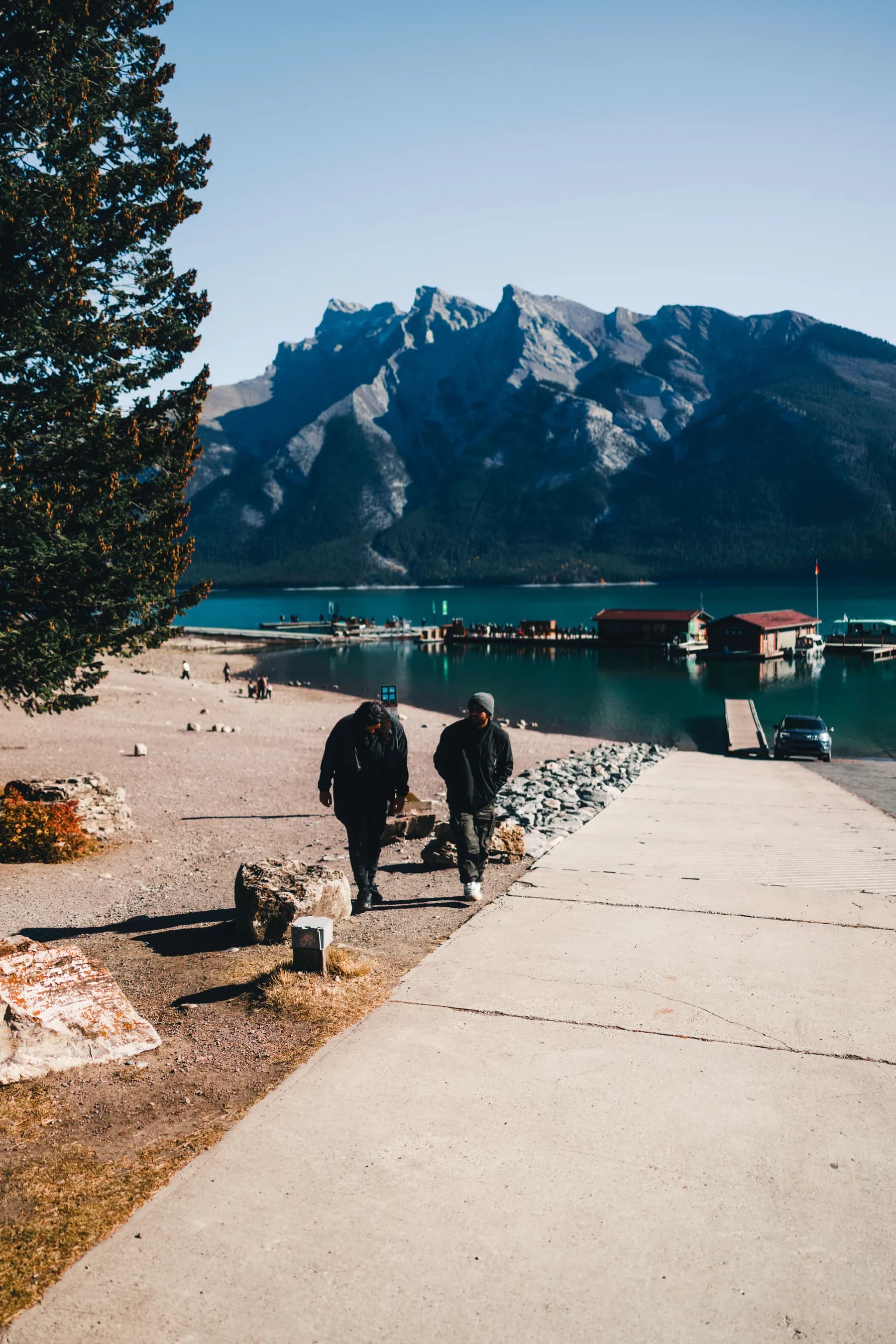
Hikers beside a lake and mountains in Canada
In this article
  1. 01Begin with a manageable activity
  2. 02Identify the destination manager
  3. 03Plan and share the itinerary
  4. 04Carry equipment you can use
  5. 05Respect wildlife, water and seasonal hazards
  6. 06Plan the whole journey and its costs
  7. 07Include turning back in the plan
  8. 08Practical next steps

For

Newcomer families and people starting outdoor activities or planning park visits.

Begin with a manageable activity

An urban park walk differs from a mountain route. Assess distance, elevation, surfaces, timing and turnaround options, planning for the least experienced participant. Begin with clearly marked places and suitable services, then increase difficulty as experience grows. Neither a photograph nor another visitor’s easy rating establishes suitability for your group.

Identify the destination manager

National, provincial and municipal parks have different managers, permits and fees. Check the correct destination’s current closures, restrictions and access conditions. In all three provinces, camping or specific services may need advance booking. Confirm what a reservation includes and retain essential information offline rather than assuming last season’s access remains available.

Plan and share the itinerary

Record the route, start, return time and alternatives, sharing them with a trusted person outside the group. Agree on when they should seek help. Phone coverage and batteries can fail, so learn navigation and suitable communication methods in advance. Set daylight-based turnaround limits and match remote-trip preparation to the group and terrain.

Carry equipment you can use

Match water, food, clothing, first aid and navigation equipment to terrain, duration and possible delays. Test equipment and learn its use beforehand. Children need appropriate rest and spare clothing. Avoid an excessive load that makes the planned route impractical. Even short urban-adjacent trips require a forecast check and suitable essentials.

More in this category

3 min read

Geography and climate across British Columbia, Ontario and Manitoba

Canada’s climate varies substantially by region. For settlement decisions, focus on the actual city, daily routes and seasonal changes rather than a single national description.

Read the article
3 min read

Preparing for your first Canadian winter

Winter affects clothing, housing, journeys and children’s routines. Prepare for local conditions and actual travel patterns rather than relying on a single heavy coat.

Read the article
Back to Nature and climate

Respect wildlife, water and seasonal hazards

Follow destination-specific wildlife distances and food-storage rules, never feeding animals. Consider cold water and currents separately from the apparent calmness of a lake or river. Winter and mountain hazards require specialized knowledge beyond summer walking experience. Respect signs and closures and choose an alternative when skills or information are insufficient.

Plan the whole journey and its costs

Check return transport, parking, fuel, seasonal access and road requirements. Mountain travel in British Columbia and long distances in Ontario or Manitoba need destination-specific planning. Include entry, accommodation, food and rentals in the budget, comparing rescheduling or a nearer activity when conditions make a booked plan unsuitable.

Include turning back in the plan

Agree in advance on time, weather and ability thresholds for turning back, monitoring every participant. Reassess difficulties instead of continuing from social pressure. If rescue is needed, provide the clearest location and circumstances possible. Report your return and review preparations, building experience gradually around a safe return for the entire group.

Practical next steps

  • Choose a route around the least experienced member.
  • Check current notices, permits, bookings and the correct manager.
  • Share the itinerary, return time and communication plan.
  • Carry useful essentials and respect wildlife rules and closures.
  • Set turnaround limits, monitor the group and report your return.
3 min read

Weather alerts, extreme heat and wildfire smoke

Forecasts are only the starting point. Establish which notices affect your location and what actions follow, with reliable alerts, contacts and suitable shelter arrangements.

Read the article