Cơ Hội Canada
Canada overviewJobsProcessHandbook
Log inSign up
Cơ Hội Canada

Job information and preparation for each family’s plans in Canada.

View jobs

Explore

  • Canada overview
  • Process
  • Handbook

Membership

  • Membership pricing
  • Your account

© 2026 Cơ Hội Canada. All rights reserved.

  • Terms of use
  • Privacy policy
Language
vi|en
vi|en
  1. Canada overview
  2. Nature and climate
  3. Preparing for your first Canadian winter
Nature and climate

Preparing for your first Canadian winter

Winter affects clothing, housing, journeys and children’s routines. Prepare for local conditions and actual travel patterns rather than relying on a single heavy coat.

Cơ Hội Canada editorial teamUpdated October 21, 20263 min read
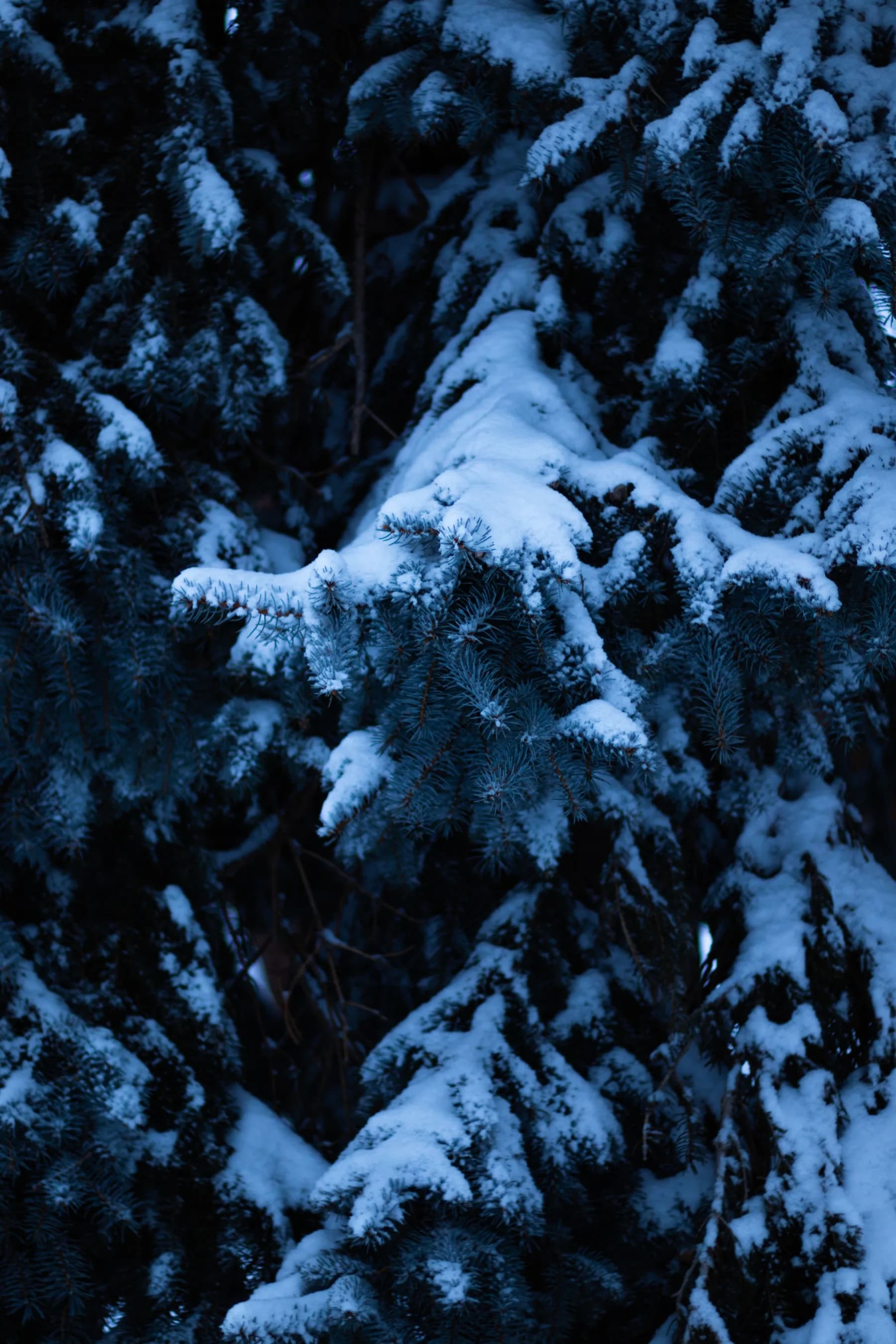
Pine trees covered in snow during winter in Toronto
In this article
  1. 01Consider wind and surfaces as well as temperature
  2. 02Choose useful clothing layers
  3. 03Prepare the home before cold weather
  4. 04Plan winter school and work journeys
  5. 05Account for different exposure needs
  6. 06Maintain routines and disruption plans
  7. 07Purchase in stages and review
  8. 08Practical next steps

For

First-winter newcomers, families with children and people travelling early or working outdoors.

Consider wind and surfaces as well as temperature

Temperature alone does not capture wind exposure or slippery surfaces. Check conditions for both outward and return travel, including time waiting for transit. Consider rescheduling or using alternatives when warnings exceed your experience. Yesterday’s manageable journey is not evidence that the next one will have the same conditions.

Choose useful clothing layers

Use clothing that retains warmth, manages moisture and adjusts between outdoors and heated interiors. Hats, gloves, socks and suitable footwear matter alongside a coat. Check fit, grip and mobility without assuming any shoe prevents every slip. Outdoor work requires different preparation from brief exposure between a home and vehicle.

Prepare the home before cold weather

Ask about heating controls, maintenance responsibility and fault reporting. Check required smoke and carbon-monoxide alarms and exits. Do not substitute unsafe indoor combustion equipment or generators for proper heating. Understand utility responsibilities, report heating problems promptly and follow ventilation and equipment instructions rather than simply sealing every space.

Plan winter school and work journeys

Test the route with winter equipment and allow extra walking, transit and vehicle-preparation time. Learn school notification procedures and arrange backup pickup. Drivers should check provincial equipment and tyre requirements and stay within their ability. Conditions along the actual route matter more than broad assumptions about any of the three provinces.
More in this category

3 min read

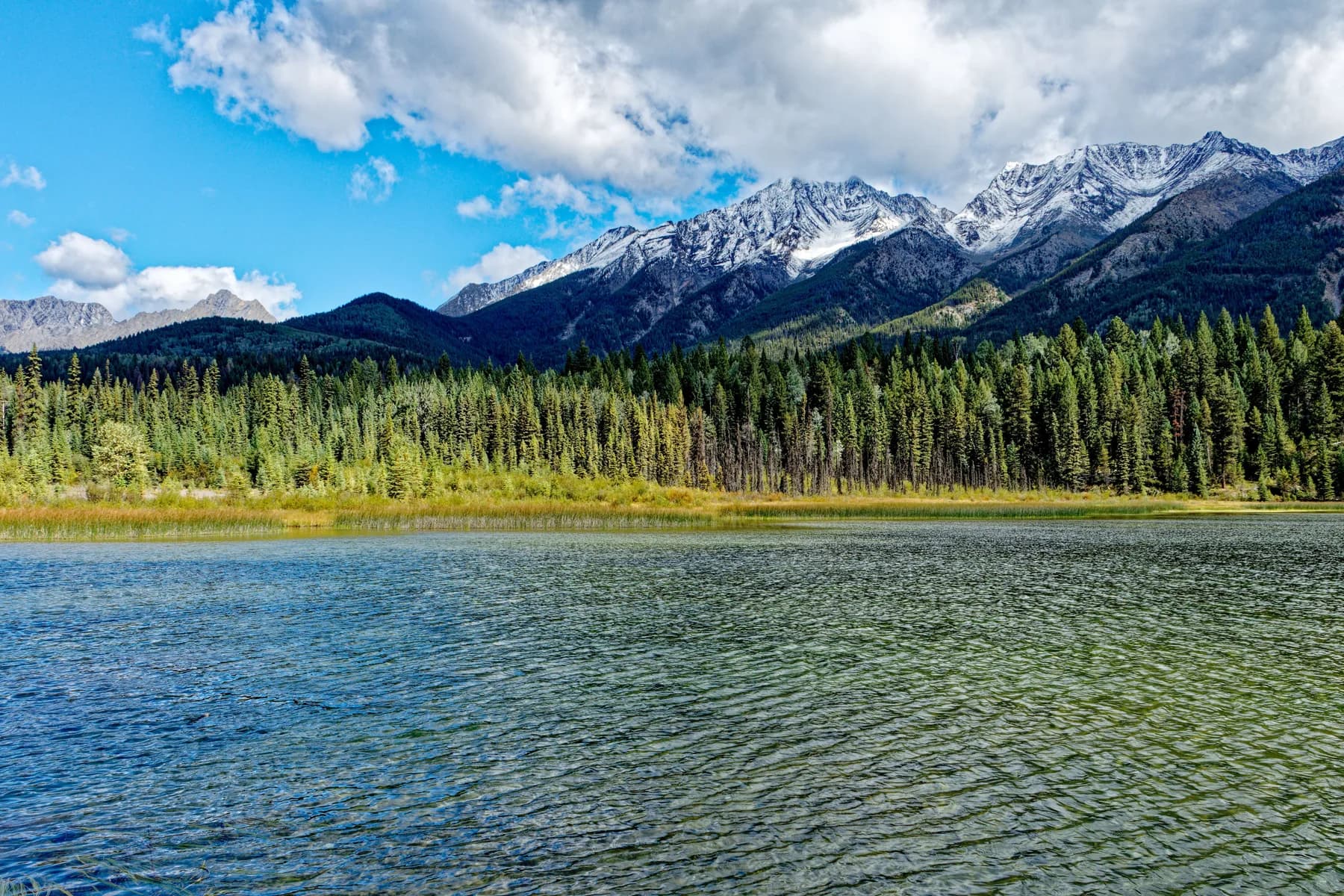
Geography and climate across British Columbia, Ontario and Manitoba

Canada’s climate varies substantially by region. For settlement decisions, focus on the actual city, daily routes and seasonal changes rather than a single national description.

Read the article
3 min read

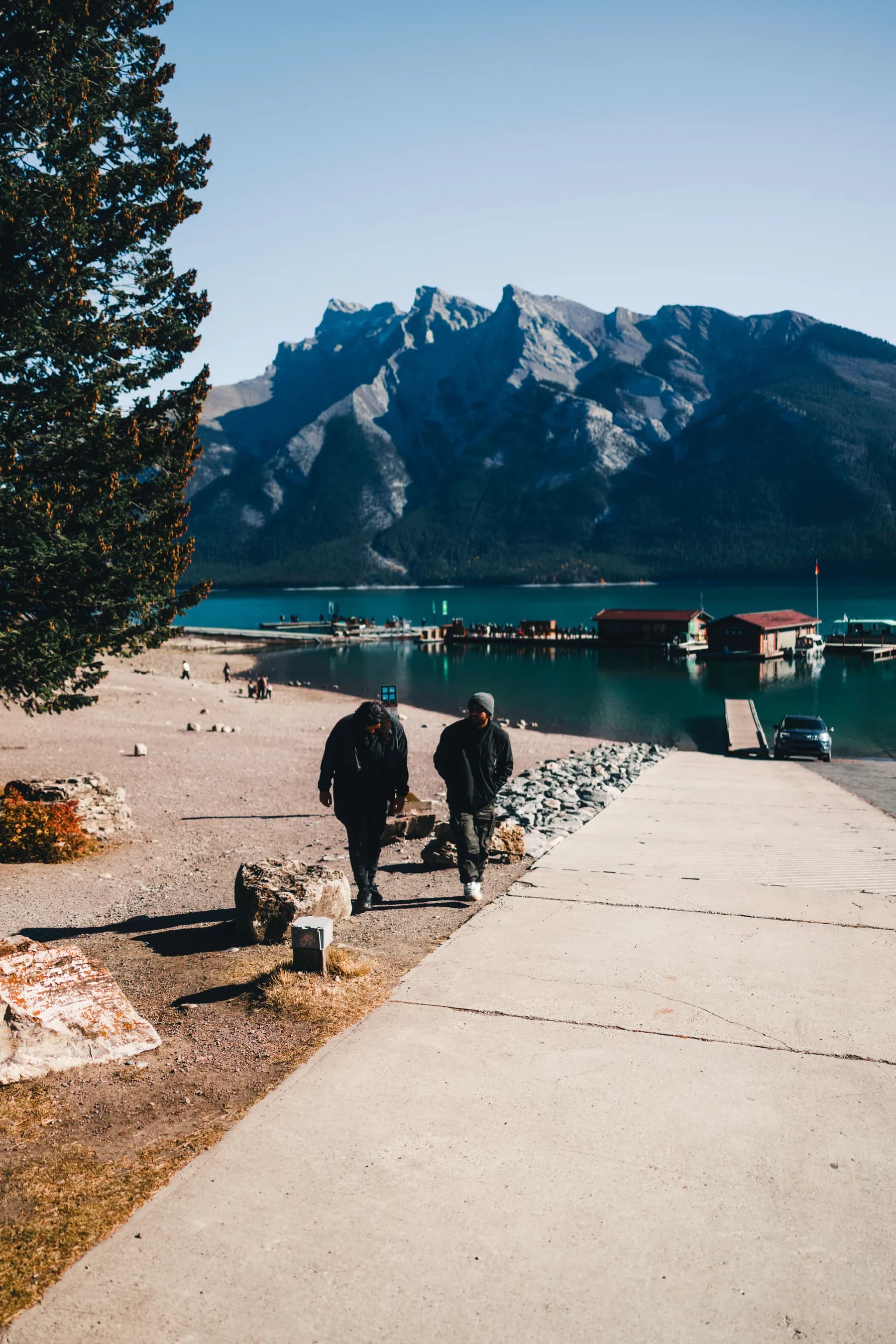
Enjoying parks and outdoor activities safely

Parks offer exercise, rest and family experiences. Choose trips around the whole group’s abilities, current destination conditions and realistic preparation.

Read the article
Back to Nature and climate

Account for different exposure needs

Family members differ in cold tolerance and ability to recognize difficulty. Plan dry clothing and suitable outdoor time for children, and discuss individual concerns with a clinician where relevant. Outdoor workers need employer safety guidance and equipment arrangements. Seek medical assessment for concerning effects of exposure and emergency help for immediate danger.

Maintain routines and disruption plans

Adapt activities rather than abandoning routines, using suitable indoor public spaces when needed. Prepare essential supplies and contact arrangements for disruptions according to local guidance. During power or heating loss, follow updates and find appropriate shelter instead of improvising unsafe equipment. Keep offline contacts and agree who checks vulnerable relatives.

Purchase in stages and review

Buy for actual routines and test equipment before expanding purchases. Used items may be suitable depending on their condition and safety limits. Review what works after several weeks, budgeting for growing children, utilities and transport as well as initial clothing. Practical experience improves later decisions more than buying every advertised winter product at once.

Practical next steps

  • Check wind, alerts, surfaces and the return journey.
  • Prepare appropriate layers, hats, gloves and footwear.
  • Check heating, alarms and household fault contacts.
  • Agree on travel, pickup and care alternatives.
  • Review individual needs and equipment after the first weeks.
3 min read

Weather alerts, extreme heat and wildfire smoke

Forecasts are only the starting point. Establish which notices affect your location and what actions follow, with reliable alerts, contacts and suitable shelter arrangements.

Read the article